

Nose Job in Turkey: What International Patients Should Know
A nose job in Turkey is a popular option among international patients considering rhinoplasty abroad. Turkey has become a well-known destination for cosmetic procedures, but choosing where to have surgery involves more than comparing prices.
Your surgeon, recovery, consultation process and healthcare facility all matter when planning rhinoplasty abroad.
In this guide, we’ll cover what a nose job in Turkey involves, what to expect during recovery, what can affect the cost, and what international patients should consider before choosing where to have their procedure.
Why Rhinoplasty Is One of the Most-Performed Cosmetic Procedures
Rhinoplasty, also known as a nose job, can change the size, shape or proportions of the nose. In some cases, it can also help improve breathing.
So, why is it such a popular procedure?
- Facial balance: Because the nose is at the center of the face, even subtle changes can affect overall facial proportions.
- Aesthetic and functional goals: Rhinoplasty can address appearance concerns while also helping with certain breathing problems, such as those related to a deviated septum.
- Advances in technique: Modern surgical techniques offer surgeons more ways to tailor the procedure to each patient’s anatomy and goals.
With so many patients considering rhinoplasty, choosing a surgeon and healthcare facility involves more than looking at the price. Experience, surgical approach and facility standards are all important factors to consider, especially when having surgery abroad.
Why People Choose Turkey for a Nose Job
Turkey has become a popular destination for rhinoplasty, and several factors make it appealing to people considering surgery abroad.
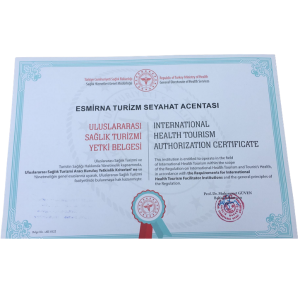
- Established medical tourism system: Turkey has a developed infrastructure for international patient care, including healthcare institutions authorized for international health tourism.
- Experienced surgeons: Rhinoplasty is commonly performed in Turkey, giving many surgeons extensive experience with the procedure.
- Coordinated treatment packages: Providers such as SurgeryTR can help organize consultations, treatment and follow-up care, making the process easier to manage from abroad.
- Easy access: Turkey’s location and international flight connections make it relatively accessible from Europe, the Middle East and other regions.
Of course, these factors are only part of the decision. Rhinoplasty is highly individual, and your surgeon will need to consider your nasal anatomy, skin characteristics and aesthetic or functional goals before recommending a suitable approach.
Costs in Turkey vs. Europe: What Affects the Price
Cost is often one of the first things people compare when considering a nose job abroad. While rhinoplasty in Turkey may be priced differently from procedures in Europe, there’s no single price that applies to every patient.
Several factors can affect the total cost:
Factor | How It Affects the Price |
Surgeon’s experience | Experience and expertise can influence consultation and surgery fees. |
Case complexity | Revision rhinoplasty or procedures that also address breathing problems may require more extensive surgery. |
Healthcare facility | Facility standards and accreditation can affect the overall cost. |
What’s included | Packages may include consultations, aftercare and follow-up, while other providers charge for these separately. |
Location | Differences in living costs and healthcare systems can affect medical prices between countries. |
When comparing a nose job in Turkey vs. Europe, it’s important to look beyond the headline price. Check what’s included in the package and consider the surgeon, healthcare facility, follow-up care and overall treatment plan before making a decision.
Recovery After a Nose Job: What to Expect
If you’re traveling abroad for a nose job, planning enough time for recovery is just as important as planning the surgery itself. While everyone heals differently, rhinoplasty recovery generally happens in stages.
The First Week
Swelling and bruising, especially around the eyes, are common after surgery. You’ll usually have a splint or cast on your nose, which is often removed after about a week, depending on your surgeon’s assessment.
Weeks Two to Four
Most visible bruising gradually fades, although some swelling may remain. Many patients can return to light daily activities, but exercise, sun exposure and wearing glasses may still need to be limited.
Months Two to Twelve
Swelling continues to decrease gradually over the following months. The nose can keep changing as it settles into its final shape, with the tip often taking the longest to refine.
Your exact recovery timeline will depend on your procedure and individual healing, so always follow your surgeon’s specific aftercare instructions.
Check our Rhinoplasty page for more information
Scars and Visible Signs of Surgery
Scarring is a common concern when considering a nose job, but how visible it is depends largely on the surgical technique.
- Closed rhinoplasty: Incisions are made inside the nostrils, so there are no visible external scars.
- Open rhinoplasty: A small incision is made across the columella, the tissue between the nostrils. This scar usually fades considerably as it heals.
The choice between open and closed rhinoplasty depends on your anatomy, the complexity of the procedure and your surgeon’s approach. If scarring is a concern, it’s worth discussing this during your consultation.
Life After Getting a Nose Job
Rhinoplasty doesn’t end when you leave the operating room. Your nose will continue to heal and change as swelling goes down and the final shape develops.
- Results take time: Swelling can hide the final shape, so the nose may continue to refine for several months.
- Breathing may change: If your surgery also addresses a functional issue, improvements in breathing may develop as you heal.
- Follow-up matters: Follow-up appointments help your medical team monitor your recovery and healing, whether in person or remotely.
- Your facial balance may look different: Because the nose plays such an important role in facial proportions, it can take some time to get used to your new appearance.
Patience is an important part of rhinoplasty recovery. The result you see immediately after surgery is not the final result.
What International Patients Should Know
Planning a nose job in Turkey from abroad involves more than booking the surgery. A few practical details can make the process easier:
- Check the healthcare facility: Make sure you know where your surgery will take place and whether the facility is authorized for international health tourism.
- Ask about the consultation: Many providers offer remote consultations before you travel, followed by an in-person assessment before surgery.
- Allow enough time for recovery: Your trip should include time for early recovery, follow-up appointments and, when applicable, splint removal.
- Check what’s included: If you’re considering a treatment package, ask whether services such as accommodation coordination, transfers and follow-up care are included.
- Discuss the surgical approach: Talk to your surgeon about the planned technique, expected results and potential scarring before you travel.
At SurgeryTR, we help international patients understand their rhinoplasty options and connect with experienced surgeons and contracted healthcare institutions authorized for international health tourism in Turkey, helping make the journey from consultation to recovery easier to plan.
Frequently Asked Questions
Why do so many people get a nose job in Turkey? Turkey has a well-established medical tourism sector, a range of surgeons experienced in rhinoplasty, and structured coordination for international patients, which together explain much of its popularity for this procedure.
Is a nose job in Turkey cheaper than in Europe? Costs in Turkey are often structured differently than costs in Europe due to broader cost-of-living and healthcare system differences, though exact pricing varies by surgeon, clinic, and case complexity. It’s best to request a personalized quote after a consultation.
How long is recovery after a nose job? Initial swelling and bruising typically improve over the first two to four weeks, while subtler, final results can continue to settle over several months, particularly around the nasal tip.
Will I have visible scars after rhinoplasty? It depends on the technique. Closed rhinoplasty leaves no external scarring, while open rhinoplasty involves a small incision that generally fades but may remain faintly visible.
How long do I need to stay in Turkey for a nose job? Most patients plan to stay at least until the splint is removed, typically around a week after surgery, though this can vary depending on your surgeon’s recommendation and follow-up schedule.
Can rhinoplasty fix breathing problems as well as appearance? Yes, rhinoplasty can address both aesthetic and functional concerns, such as a deviated septum, when this is assessed and planned as part of the procedure.
What should I ask during a rhinoplasty consultation? Useful questions include the surgeon’s experience with your specific case type, expected recovery timeline, technique (open vs. closed), and what aftercare or follow-up is included.
Is it safe to travel for a nose job abroad? Traveling for surgery involves planning around recovery needs and follow-up care, similar to any surgical trip. Choosing a facility with clear accreditation and a structured aftercare plan can help make the process more manageable.