

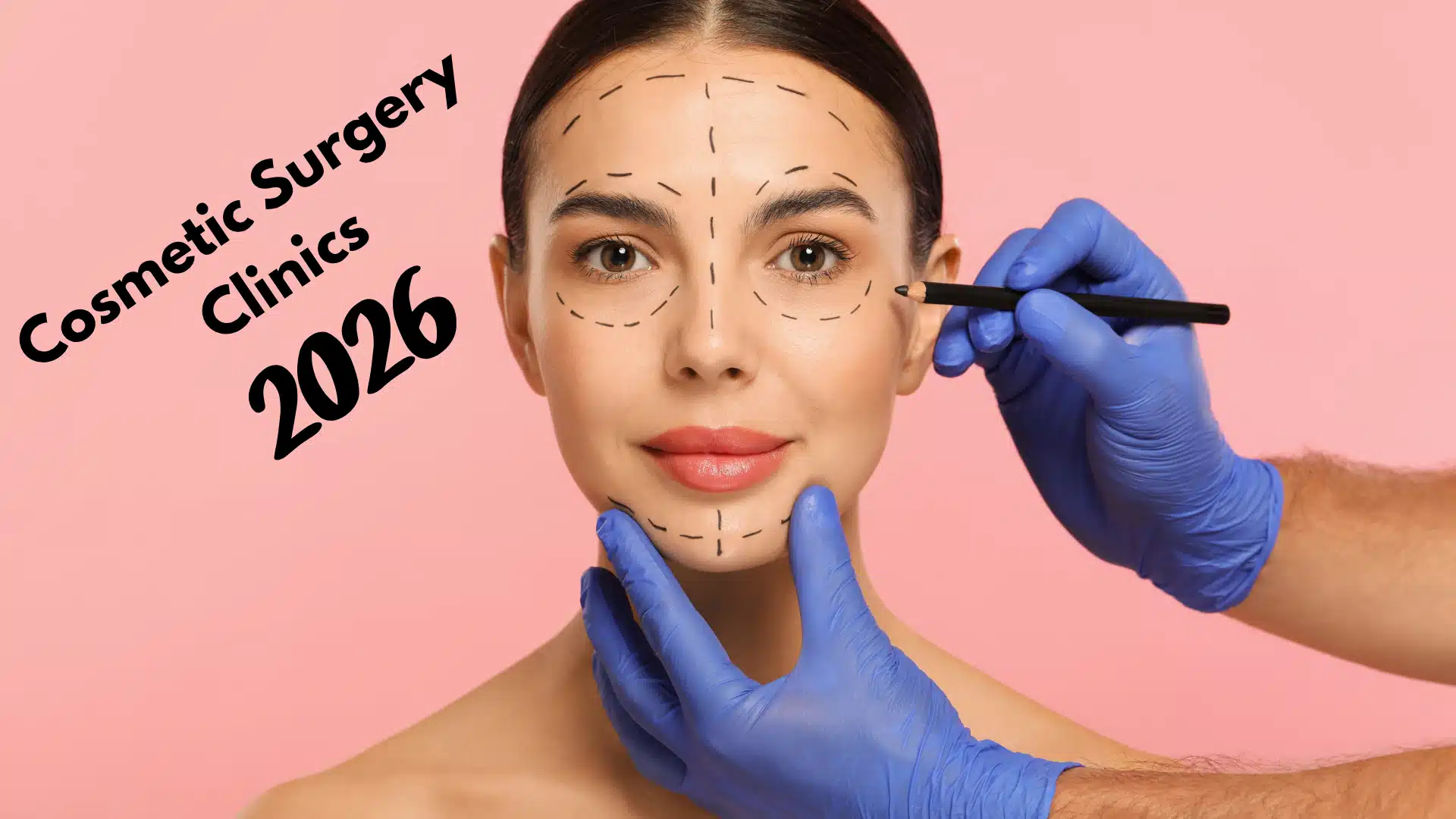
How Patients Choose Cosmetic Surgery Clinics in 2026
The Cosmetic Surgery Decision Has Changed
The way patients choose cosmetic surgery clinics has evolved significantly over the last decade. In 2026, prospective patients have access to more information, more clinics, and more treatment options than ever before. While cosmetic procedures were once selected primarily based on location or price, today’s patients approach their decisions with a much more comprehensive and informed mindset.
The rise of medical tourism, social media, digital consultations, online reviews, and healthcare transparency has transformed patient expectations. Modern cosmetic surgery patients are highly educated consumers who spend considerable time researching clinics before committing to a procedure.
Whether considering rhinoplasty, breast augmentation, facelift surgery, liposuction, tummy tuck procedures, hair transplantation, or other aesthetic treatments, patients want confidence that they are making the right choice.
Understanding how patients evaluate cosmetic surgery clinics in 2026 provides valuable insight into the factors that truly influence decision-making in today’s competitive healthcare environment.
Patients Start Their Research Long Before Contacting a Clinic
One of the most significant changes in patient behavior is the amount of research conducted before making initial contact.
Years ago, patients often contacted multiple clinics directly to gather information. Today, they typically spend weeks researching online before sending their first inquiry.
Patients commonly investigate:
Clinic websites
Surgeon credentials
Online reviews
Social media profiles
Before-and-after galleries
Patient testimonials
Educational content
Video consultations
By the time a patient contacts a clinic, they may already have a shortlist of preferred providers.
This means clinics must establish credibility long before a direct conversation takes place.
Surgeon Expertise Is Often the Deciding Factor
While many factors influence decision-making, surgeon qualifications remain among the most important.
Patients increasingly understand that cosmetic surgery outcomes depend heavily on the surgeon’s expertise and experience.
Before choosing a clinic, patients frequently examine:
Medical education
Board certifications
Specialty training
Years of experience
Number of procedures performed
Areas of specialization
Professional memberships
Patients are particularly interested in surgeons who regularly perform the specific procedure they are considering.
For example, someone seeking rhinoplasty often prefers a surgeon with extensive facial surgery experience rather than a general cosmetic surgeon who performs a broad range of procedures.
Specialization creates confidence and significantly influences clinic selection.
Trust Is More Important Than Low Prices
Contrary to common assumptions, price is not always the primary decision factor.
While affordability remains important, patients increasingly prioritize trust over discounts.
Cosmetic surgery involves permanent physical changes and potential health risks. Patients recognize that selecting the cheapest option can sometimes lead to unsatisfactory outcomes or additional corrective procedures.
As a result, many patients are willing to pay higher fees for clinics that demonstrate:
Professionalism
Transparency
Safety
Consistent results
Excellent communication
Patients often view cosmetic surgery as a long-term investment rather than a simple purchase.
Trust has become a stronger driver of decision-making than aggressive promotional pricing.
Before-and-After Results Influence Every Decision
Visual proof remains one of the most powerful factors in cosmetic surgery marketing.
Patients want evidence that a clinic can consistently achieve attractive, natural-looking results.
When evaluating before-and-after galleries, patients typically look for:
High-quality photography
Multiple viewing angles
Similar patient cases
Consistent outcomes
Natural appearances
Long-term results
Patients are increasingly skeptical of heavily edited images.
Authenticity matters.
They prefer realistic examples that accurately reflect what can be achieved through surgery.
A strong portfolio often becomes one of the clinic’s most valuable trust-building assets.
Online Reviews Have Become Essential
Patient reviews significantly influence clinic selection.
However, modern patients have become more sophisticated when evaluating testimonials.
They actively search for:
Detailed patient experiences
Recovery stories
Video testimonials
Independent review platforms
Balanced feedback
Long-term updates
Patients often compare reviews across multiple sources rather than relying on a clinic’s website alone.
Consistent positive experiences across various platforms help establish credibility and reduce uncertainty.
Authentic reviews provide reassurance that a clinic delivers quality care beyond marketing promises.
Social Media Plays a Major Role
Social media has become an important research tool for cosmetic surgery patients.
Platforms allow prospective patients to evaluate:
Surgical results
Clinic culture
Surgeon personality
Patient experiences
Educational content
Transparency
Patients frequently follow clinics for weeks or months before booking consultations.
They pay attention to:
Posting consistency
Content quality
Patient interactions
Professionalism
Educational value
A strong social media presence often strengthens trust by providing insight into the clinic’s daily operations and patient care philosophy.
Virtual Consultations Have Become Standard
Virtual consultations are now a routine part of the patient journey.
Patients appreciate opportunities to meet surgeons before traveling or committing to surgery.
Virtual consultations allow patients to:
Ask questions directly
Discuss goals
Understand treatment options
Evaluate communication style
Build confidence
Many patients report that their consultation experience strongly influences their final decision.
A surgeon who communicates clearly and honestly often inspires greater trust than one who focuses primarily on sales or promotional messaging.
Safety Standards Are a Top Priority
Patient safety has become a central concern in cosmetic surgery.
Prospective patients increasingly research safety protocols before selecting a clinic.
Common questions include:
Where will surgery be performed?
What anesthesia methods are used?
How are complications handled?
What emergency systems exist?
What recovery monitoring is provided?
Patients want reassurance that the clinic prioritizes safety at every stage of treatment.
Facilities that openly discuss safety standards often inspire greater confidence than those focusing exclusively on luxury amenities.
Transparent Communication Builds Confidence
Clear communication remains one of the strongest indicators of a trustworthy clinic.
Patients appreciate providers that:
Respond promptly
Explain procedures clearly
Discuss risks honestly
Provide realistic expectations
Answer questions thoroughly
Transparency reduces uncertainty and helps patients make informed decisions.
Clinics that avoid difficult questions or minimize potential risks often lose credibility.
Patients increasingly prefer providers who communicate honestly about both benefits and limitations.
Personalized Treatment Planning Matters
Patients do not want standardized recommendations.
They want treatment plans tailored to their individual goals, anatomy, and expectations.
Personalized consultations often include discussions regarding:
Desired outcomes
Facial or body proportions
Lifestyle considerations
Recovery preferences
Medical history
Patients appreciate clinics that take time to understand their unique needs.
Individualized treatment planning demonstrates professionalism and patient-centered care.
Recovery Support Influences Decision-Making
The patient experience extends far beyond the operating room.
Modern patients increasingly evaluate how clinics manage recovery.
They want information about:
Post-operative care
Follow-up appointments
Recovery timelines
Pain management
Emergency support
Long-term monitoring
Strong aftercare programs provide reassurance and reduce anxiety.
Patients often feel more comfortable choosing clinics that offer structured support throughout recovery.
International Patients Value Convenience
Medical tourism patients frequently travel thousands of miles for cosmetic surgery.
As a result, convenience has become an important consideration.
Patients appreciate clinics that assist with:
Airport transfers
Accommodation arrangements
Transportation services
Translation support
Scheduling coordination
A streamlined experience reduces stress and improves overall satisfaction.
Comprehensive patient support can significantly influence clinic selection.
Ethical Marketing Builds Long-Term Trust
Patients are increasingly cautious of exaggerated marketing claims.
Modern consumers quickly recognize unrealistic promises such as:
Guaranteed perfection
Risk-free surgery
Instant transformations
Permanent outcomes
Trustworthy clinics focus on education rather than hype.
They present realistic information, honest expectations, and genuine patient outcomes.
Ethical marketing strengthens credibility and contributes to long-term reputation growth.
Reputation Is Built Across Multiple Channels
Today’s patients rarely rely on a single source of information.
Instead, they evaluate clinics through multiple channels, including:
Search engines
Review websites
Social media
Patient forums
Video content
Professional directories
Patients look for consistency across all platforms.
A clinic’s reputation is strengthened when messaging, reviews, and patient experiences align across multiple sources.
Consistency signals reliability and professionalism.
Emotional Comfort Influences Final Decisions
Cosmetic surgery is often an emotional decision.
Patients may feel excitement, anxiety, uncertainty, and vulnerability simultaneously.
As a result, emotional comfort plays a significant role in clinic selection.
Patients are more likely to choose providers who make them feel:
Heard
Understood
Respected
Supported
Safe
Empathy and compassion remain powerful competitive advantages in healthcare.
Many patients ultimately choose clinics based on how comfortable they feel during the consultation process.
Technology and Innovation Matter
Patients increasingly expect clinics to utilize modern technology.
Advanced technologies can improve:
Surgical planning
Patient assessment
Consultation experiences
Safety protocols
Recovery monitoring
While technology alone does not guarantee excellent outcomes, patients often associate innovation with professionalism and quality.
Clinics that embrace modern advancements may gain an advantage in highly competitive markets.
The Importance of Long-Term Results
Patients are becoming more focused on longevity rather than immediate results.
They want procedures that:
Age naturally
Maintain balance and proportion
Produce sustainable outcomes
As a result, patients increasingly choose surgeons known for natural-looking enhancements rather than dramatic transformations.
The trend toward subtle, refined results continues to influence cosmetic surgery decisions worldwide.
Conclusion
Choosing a cosmetic surgery clinic in 2026 involves far more than comparing prices. Modern patients conduct extensive research and evaluate providers through multiple lenses, including surgeon expertise, safety standards, communication quality, patient reviews, transparency, aftercare, and overall trustworthiness.
Successful clinics understand that today’s patients are informed, cautious, and highly selective. They prioritize education over sales tactics, emphasize realistic expectations, and focus on building long-term trust through exceptional patient experiences.