
Post-Tummy Tuck Travel Experiences: Turkey’s Medical Tourism Assurance and UK Patient Insights
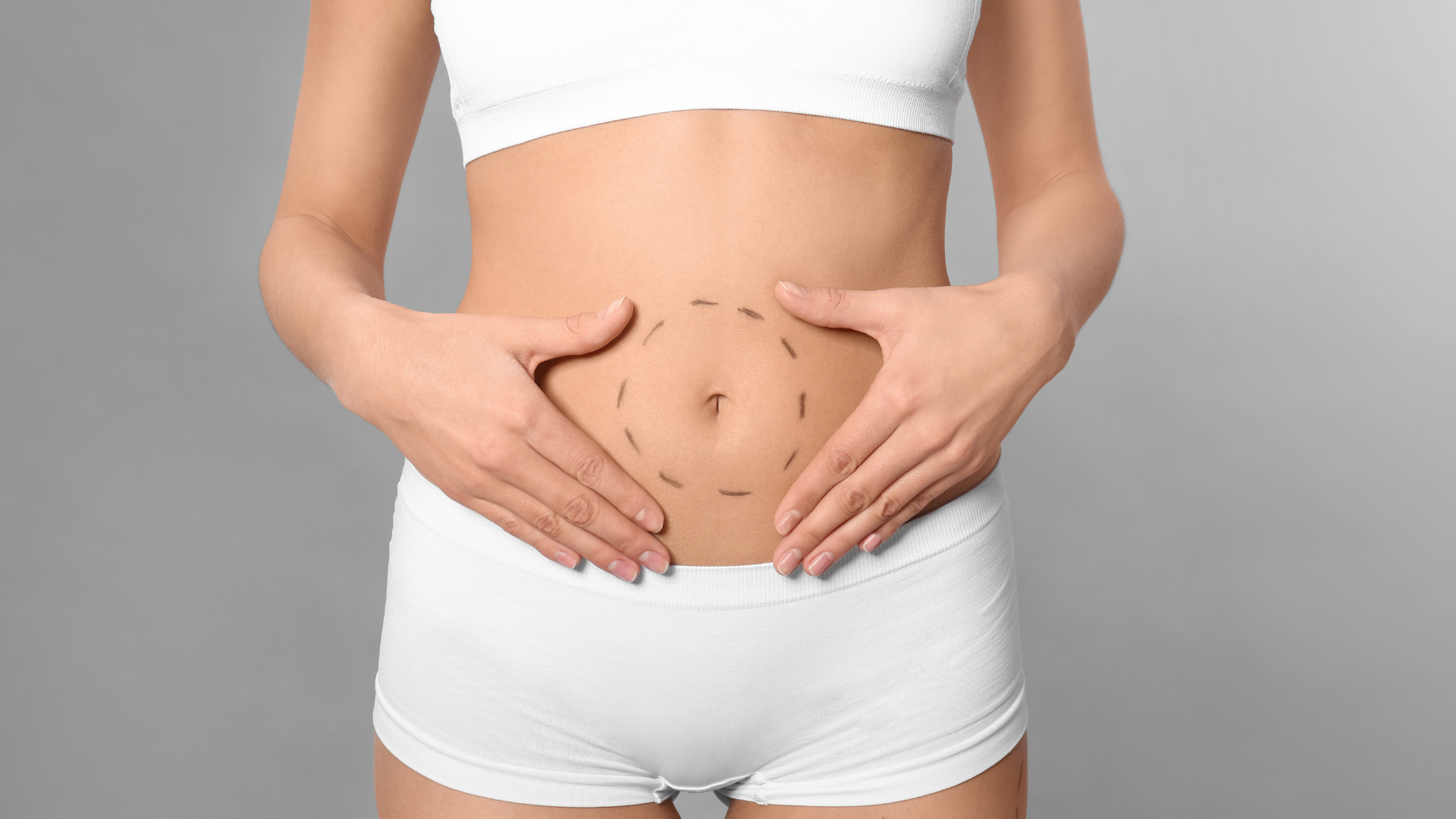
In recent years, Turkey has emerged as a global leader in cosmetic surgery tourism, attracting thousands of international patients particularly from the UK. Among the most requested procedures is the tummy tuck (abdominoplasty), a popular surgery for individuals seeking to restore abdominal firmness after weight loss, pregnancy, or aging.
But beyond the operating room, a critical part of the patient journey is what comes after the surgery especially when that involves international travel. This article explores the post-surgery travel experience, recovery support, and feedback from UK patients who have undergone tummy tuck procedures in Turkey.
Why UK Patients Travel to Turkey for Tummy
Tucks
Before diving into recovery experiences, it’s
important to understand the growing interest among UK patients:
- High
Costs in the UK: A full tummy tuck can cost between £6,000
to £10,000 in private UK clinics, which is out of reach for many. - Lengthy
NHS Wait Times: Cosmetic surgery is rarely funded by the NHS
unless deemed medically necessary, often leaving patients to face long
delays or denial. - Affordability
in Turkey: In comparison, Turkish clinics offer tummy tuck
procedures starting from £2,500 to £4,000, often in all-inclusive
packages covering accommodation, transport, and aftercare. - State-of-the-Art
Facilities: Many Turkish hospitals and clinics are internationally
accredited, equipped with modern technologies, and staffed with
English-speaking professionals.
Post-Surgery Travel and Recovery: What to
Expect
Tummy tuck surgery involves removing excess
skin and fat from the abdominal area and tightening muscles. It is a major
procedure and demands careful postoperative management, especially
for patients traveling back home.
Here are the key stages of post-tummy tuck
recovery in Turkey:
1. Immediate Post-Op Recovery (Days 1–3)
Hospital Stay:
Most patients stay 1–2 nights in the hospital post-surgery. During this time,
pain management, drainage tubes, and initial wound monitoring are performed.
- Nursing Care: Clinics provide round-the-clock nursing,
medication, and mobility assistance. - Medical Assessments: Surgeons monitor signs of infection, bleeding, and
progress before discharging patients to their hotel.
2. Hotel Recovery & Mobility (Days 4–10)
- Patients are transferred to a partnered recovery-friendly hotel, often
near the clinic. - Walking is encouraged gently to avoid blood clots, but patients must avoid
standing fully upright due to abdominal tension. - Daily clinic visits or hotel nurse check-ins ensure wound care and dressing changes.
- Compression garments are worn around the clock to reduce swelling and promote
contouring.
3. Flight Preparation (After Day 10–14)
- Most Turkish clinics recommend a minimum of 10–14 days before
flying home, depending on the surgery’s complexity and the patient’s
healing rate. - Patients are given:
- Fit-to-fly letters
- Instructions for DVT prevention during flights (e.g., compression
stockings, in-flight movement) - Pain relief and antibiotics for travel
- Flight arrangements are typically in business class or with wheelchair
assistance to ensure comfort.
Turkey’s Post-Op Infrastructure: Built for
International Patients
Turkish clinics specializing in health tourism have tailored the entire recovery process to suit international travelers. Here’s what distinguishes the experience:
Comprehensive Packages
- Airport pickups, hotel stays, in-clinic transfers, and interpreters are
typically part of medical packages. - This minimizes patient stress and supports recovery with a structured
environment.
Dedicated Patient Coordinators
- English-speaking coordinators help patients with:
- Medication schedules
- Meal planning
- Communication with doctors
- Appointment tracking
Follow-Up Protocols
- Before
flying home, UK patients are given:- Post-op care guides
- Emergency contact details
- Access to video or WhatsApp check-ins with the surgeon after return
Safety Tips for UK Patients Considering a Tummy Tuck in Turkey
To ensure a smooth travel and recovery experience:
- Choose Accredited Clinics
Look for hospitals with JCI accreditation or board-certified surgeons with ISAPS membership. - Ask About Aftercare Confirm daily nurse visits, 24/7 support, and post-surgical hotel recovery facilities.
- Don’t Rush the Flight
Give yourself at least 10–14 days before returning to the UK. Never fly too soon. - Request a Fit-to-Fly Certificate
Airlines may require one after abdominal surgery. - Have Local Follow-Up Options
Identify a UK clinic or GP willing to handle any concerns once you return. - Avoid “Too Good to Be True” Clinics
Ultra-cheap options may lack medical infrastructure or skilled staff.
Final Thoughts: Turkey’s Tummy Tuck Tourism A Safe Bet with Smart Planning
Tummy tuck procedures in Turkey are often described as life-changing experiences delivering high-quality surgical outcomes at a fraction of UK costs. However, recovery doesn’t end at the operating table.
The true measure of success lies in the support system built around the procedure and Turkey excels in this area with dedicated post-op care, organized travel logistics, and VIP-level service.
That said, the experience can vary dramatically based on clinic selection. UK patients who research thoroughly, ask the right questions, and follow post-op travel advice often report high satisfaction and safe recoveries.
So, is a tummy tuck in Turkey worth the trip? For many, the answer is yes but only with caution, preparation, and trust in reputable providers.
See some amazing tummy tuck transformations!