
What Makes a Medical Tourism Clinic Truly Trustworthy in 2026?
Trust Is the New Currency in Medical Tourism
The global medical tourism industry continues to grow in 2026, with millions of patients traveling abroad each year for cosmetic surgery, dental treatments, bariatric procedures, hair transplantation, orthopedic operations, fertility treatments, and other specialized healthcare services. While cost savings remain attractive, modern patients are increasingly focused on one critical factor above all else: trust.
Trust has become the foundation of every successful medical tourism experience. Patients are no longer choosing clinics simply because they offer lower prices. Instead, they are looking for providers that demonstrate professionalism, transparency, safety, and consistent patient outcomes.
Healthcare is fundamentally different from other industries. A patient can replace a defective product or cancel a poor service, but medical procedures often involve permanent physical changes and significant health considerations. Because of this, patients invest considerable time researching clinics before making a decision.
For medical tourism providers, understanding what creates trust is essential. In an increasingly competitive market, trustworthy clinics stand out because they consistently demonstrate credibility at every stage of the patient journey.
Transparency Is the Foundation of Trust
One of the strongest indicators of a trustworthy medical tourism clinic is transparency.
Patients expect clear, honest, and accessible information before committing to treatment. They want to understand exactly what they are purchasing, who will perform the procedure, what results are realistic, and what risks may be involved.
Transparent clinics openly provide information about:
Surgeons and medical staff
Treatment options
Expected outcomes
Potential complications
Recovery timelines
Pricing structures
Post-operative care
When clinics avoid answering questions directly or provide vague responses, patients often interpret this as a warning sign.
Trustworthy providers recognize that transparency builds confidence. They understand that informed patients make better decisions and experience higher satisfaction levels after treatment.
Qualified Surgeons Remain the Most Important Asset
No marketing campaign can compensate for a lack of medical expertise.
Patients increasingly investigate surgeon qualifications before booking treatment abroad. In 2026, access to information is easier than ever, allowing patients to compare surgeons across multiple clinics and countries.
A trustworthy clinic proudly showcases its surgeons’ qualifications, including:
Medical education
Board certifications
Specialty training
Professional memberships
Clinical experience
Academic achievements
Research contributions
Patients want assurance that their procedure will be performed by a highly trained specialist rather than a general practitioner performing occasional cosmetic procedures.
Trust grows when clinics provide detailed surgeon profiles rather than relying on generic marketing language.
Honest Communication Creates Confidence
Communication often determines whether a prospective patient proceeds with treatment or continues searching elsewhere.
Trustworthy clinics prioritize patient education rather than aggressive sales tactics.
Patients appreciate healthcare providers that:
Respond promptly
Explain procedures clearly
Encourage questions
Discuss limitations honestly
Avoid unrealistic promises
When clinics focus exclusively on closing sales, patients often become skeptical.
Conversely, clinics that invest time in educating patients demonstrate confidence in their services and respect for patient autonomy.
Strong communication also helps patients feel emotionally supported throughout the decision-making process.
Realistic Expectations Build Long-Term Reputation
One of the fastest ways for a clinic to lose trust is by promising unrealistic outcomes.
Informed patients understand that every procedure has limitations. Results vary depending on anatomy, healing patterns, age, lifestyle factors, and medical history.
Trustworthy clinics discuss:
Expected improvements
Possible limitations
Individual variations
Recovery challenges
Potential complications
They avoid guarantees such as:
“Perfect results”
“Risk-free surgery”
“Guaranteed satisfaction”
“Permanent outcomes in every case”
Patients are increasingly drawn to providers who communicate honestly rather than making exaggerated marketing claims.
Realistic expectations lead to greater satisfaction because patients understand what can and cannot be achieved.
Consistent Patient Reviews Matter More Than Ever
Online reviews have become one of the most influential factors in medical tourism.
However, patients in 2026 have become much more sophisticated when evaluating testimonials.
They no longer trust dozens of short, overly positive reviews with little detail. Instead, they look for authenticity and consistency.
Trustworthy clinics often have reviews that include:
Detailed treatment experiences
Recovery updates
Video testimonials
Before-and-after journeys
Honest discussions of challenges and successes
Patients compare reviews across multiple platforms to verify consistency.
A strong reputation develops when positive experiences are repeated by numerous independent patients over time.
Safety Standards Cannot Be Compromised
Safety remains one of the most important considerations for international patients.
A trustworthy clinic prioritizes patient safety above marketing objectives or profit margins.
Patients frequently investigate:
Facility standards
Infection control protocols
Emergency preparedness
Anesthesia safety
Surgical monitoring procedures
Recovery supervision
Clinics that openly discuss safety protocols often inspire greater confidence than those focusing solely on luxury facilities or low prices.
Trust is strengthened when patients believe the clinic is fully prepared to handle both routine care and unexpected complications.
Accreditation and Compliance Demonstrate Professionalism
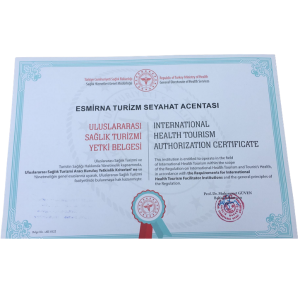
Accreditations provide external validation of quality standards.
While accreditation alone does not guarantee excellent outcomes, it often indicates that a clinic follows recognized protocols and operational standards.
Patients increasingly view accreditation as evidence that a clinic is committed to continuous improvement and accountability.
Trustworthy clinics are transparent about:
Licenses
Certifications
Regulatory compliance
Quality assurance systems
They do not hesitate to provide documentation when requested.
Professional accountability is an important component of trust in healthcare.
Ethical Marketing Sets Leading Clinics Apart
The medical tourism industry has become increasingly competitive, leading some providers to adopt aggressive marketing strategies.
Patients are becoming more cautious about clinics that:
Promise guaranteed results
Use misleading images
Offer extreme discounts
Create artificial urgency
Minimize surgical risks
Trustworthy clinics approach marketing differently.
They focus on:
Education
Transparency
Patient empowerment
Accurate information
Ethical representation of results
Patients increasingly reward ethical behavior with loyalty and referrals.
Before-and-After Galleries Must Reflect Reality
Visual evidence plays a major role in patient decision-making.
However, modern patients are aware that images can be manipulated.
Trustworthy clinics present before-and-after photographs that are:
High quality
Consistent in lighting
Taken from multiple angles
Representative of typical results
Free from misleading edits
Patients often compare galleries carefully.
Authentic photographic documentation reinforces credibility and helps establish realistic expectations.
Personalized Care Demonstrates Genuine Commitment
Patients want to feel like individuals rather than transaction numbers.
Trust grows when clinics take time to understand:
Patient goals
Medical history
Lifestyle considerations
Recovery concerns
Emotional expectations
Personalized care often includes:
Individual consultations
Customized treatment plans
Dedicated patient coordinators
Tailored recovery recommendations
When patients feel understood, they are more likely to develop confidence in the clinic and treatment team.
Effective Post-Operative Support Is Essential
Trust does not end when surgery is completed.
In fact, many patients evaluate clinics based on the quality of care they receive after their procedure.
Trustworthy providers offer structured post-operative support that may include:
Follow-up consultations
Recovery monitoring
Medical guidance
Emergency contact options
Long-term communication
Patients want reassurance that the clinic remains available after treatment.
A strong aftercare system demonstrates genuine commitment to patient well-being rather than short-term business objectives.
Multilingual Communication Enhances Trust
Language barriers remain one of the most common concerns among international patients.
Miscommunication can affect:
Informed consent
Treatment planning
Recovery instructions
Patient safety
Trustworthy clinics invest in multilingual support systems that ensure patients fully understand every aspect of their care.
Clear communication reduces anxiety and improves overall satisfaction.
Patients are far more likely to trust providers who communicate effectively in their preferred language.
Digital Presence Reflects Credibility
A clinic’s online presence often serves as its first impression.
Patients evaluate websites, social media profiles, educational content, and review platforms before initiating contact.
Trustworthy clinics maintain digital platforms that are:
Professional
Informative
Up-to-date
Transparent
Educational
They provide valuable information rather than relying solely on promotional messaging.
A strong digital presence demonstrates professionalism and helps patients make informed decisions.
Patient Privacy Is Increasingly Important
Data privacy has become a major concern in healthcare.
International patients expect clinics to protect:
Medical records
Personal information
Consultation details
Treatment history
Photographic documentation
Trustworthy clinics clearly explain how patient information is stored, shared, and protected.
Respect for privacy strengthens patient confidence and reflects professional healthcare standards.
Reputation Is Earned Over Time
Trust cannot be manufactured overnight.
It develops gradually through consistent performance, positive patient experiences, and ethical behavior.
The most trusted clinics typically demonstrate:
Long-term stability
Strong patient satisfaction
Consistent outcomes
Professional integrity
Continuous improvement
Patients often look beyond marketing materials and focus on a clinic’s reputation over several years.
Sustainable trust is built through actions rather than promises.
Human Connection Remains a Competitive Advantage
Despite advances in technology, artificial intelligence, and digital healthcare systems, patients still value genuine human interaction.
Trust often develops through simple experiences such as:
Feeling listened to
Receiving compassionate responses
Having concerns addressed respectfully
Experiencing empathy during recovery
Patients frequently remember how a clinic made them feel just as much as they remember clinical outcomes.
Compassion remains one of the most powerful trust-building factors in healthcare.
Conclusion
In 2026, trust has become the defining factor in medical tourism success. Patients are no longer choosing clinics based solely on affordability. They are looking for providers that demonstrate transparency, professionalism, safety, ethical behavior, and genuine commitment to patient care.
A truly trustworthy medical tourism clinic combines qualified surgeons, honest communication, realistic expectations, comprehensive support, strong safety standards, and compassionate patient-centered care. Every interaction—from the first inquiry to long-term follow-up—contributes to the patient’s perception of trust.
As the medical tourism industry continues to evolve, clinics that prioritize credibility over short-term sales tactics will be best positioned for sustainable growth. Trust is not simply a marketing advantage; it is the foundation upon which lasting patient relationships and international reputations are built.